Navigating the Essentials of Window Lock Repairs: A Comprehensive Guide
Windows are a vital part of any home, supplying a view to the outdoors world and serving as a barrier against the components. However, the functionality of windows typically depends upon the effectiveness of their locking systems. Gradually, window locks can break, break, or become jammed, leading to security dangers and potential energy loss. This short article digs into the world of window lock repairs, using a comprehensive guide to determining concerns, carrying out repairs, and maintaining your windows' locking mechanisms.
Comprehending Window Locks
Before diving into the repair procedure, it's necessary to comprehend the different kinds of window locks and their functions. Common window lock types consist of:
- Slide Locks: These are typically found on sliding windows and include a lock that slides into a receiver.
- Web cam Locks: Found on sash and awning windows, these locks utilize a turning cam to secure the window.
- Hook Locks: These are often utilized on double-hung windows and include a hook-like system that locks into a strike plate.
- Multi-Point Locks: Found on more modern windows, these locks secure the window at numerous points for enhanced security and weatherproofing.
Each kind of lock has its own set of prospective problems, however the fundamental principles of repair are comparable across the board.
Determining Common Issues with Window Locks
Window locks can malfunction in several ways. Here are some common concerns property owners might encounter:
- Sticking or Jamming: The lock might not move efficiently or may get stuck in location.
- Loose or Wobbly Lock: The lock may feel unstable or not engage appropriately.
- Broken Lock Components: Parts of the lock, such as the handle or mechanism, may break or become removed.
- Deterioration or Rust: Over time, locks can become rusty, especially in damp environments.
- Secret Issues: For keyed locks, the secret may not turn quickly or may not fit at all.
Tools and Materials Needed for Window Lock Repairs
To tackle typical window lock problems, you will need the following tools and products:
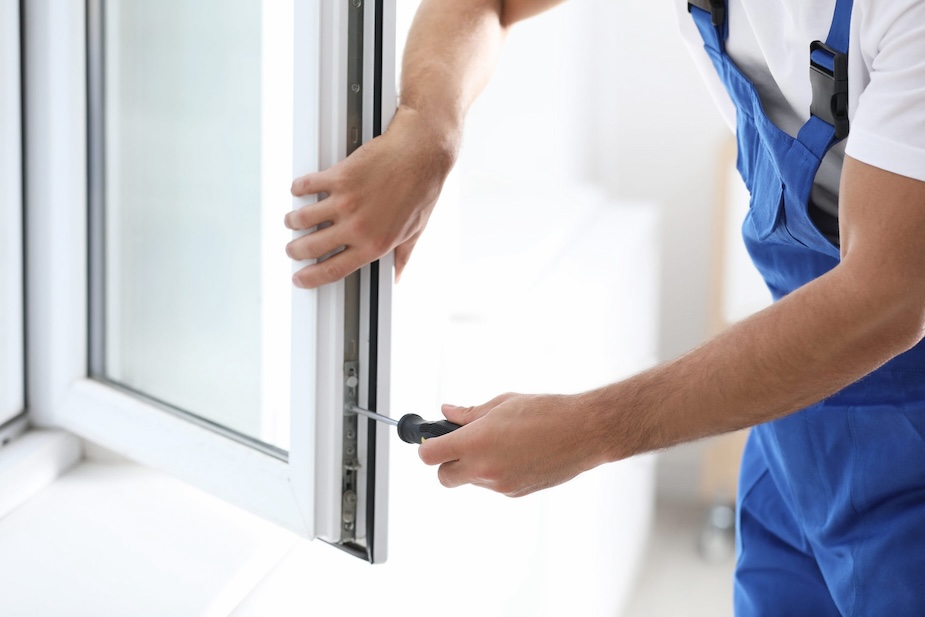
- Screwdrivers: Phillips and flathead screwdrivers are vital for disassembling and reassembling the lock.
- Lube: A silicone-based lubricant can assist smooth out sticking or jamming issues.
- Replacement Parts: If parts are broken, you might need to replace them.
- Wrenches or Pliers: These tools can be useful for changing or tightening up elements.
- Tidy Cloth: A soft fabric works for cleaning and eliminating particles.
- Degreaser: A degreaser can assist remove built-up gunk and dirt from the lock system.
Step-by-Step Guide to Repairing Window Locks
Diagnose the Problem
- Sticking or Jamming: Check for debris or corrosion that may be triggering the lock to stick.
- Loose or Wobbly Lock: Inspect the screws and installing points for looseness or damage.
- Broken Lock Components: Identify which part is broken and whether it can be fixed or requires replacement.
- Deterioration or Rust: Look for indications of corrosion on the lock and surrounding areas.
- Secret Issues: Test the type in the lock to figure out if the problem is with the essential or the lock system.
Clean the Lock
- Get rid of any noticeable debris using a clean fabric.
- Apply degreaser to the lock system and clean it tidy.
- Utilize a soft brush or compressed air to remove any lingering dirt or grime.
Oil the Lock
- Use a silicone-based lubricant to the moving parts of the lock.
- Move the lock backward and forward several times to guarantee the lubricant is uniformly dispersed.
- Rub out any excess lube with a clean cloth.
Tighten or Adjust the Lock
- Screws and Mounting Points: Tighten any loose screws utilizing a screwdriver. If the screws are stripped, think about changing them with longer or stronger screws.
- Positioning: Ensure the lock and receiver are properly aligned. Change the position of the lock or receiver if needed utilizing a wrench or pliers.
Replace Broken Components
- Manage or Knob: If the manage is broken, remove the old one and install a brand-new one. Follow the producer's directions for installation.
- Lock Mechanism: If the internal mechanism is defective, you may need to replace the whole lock. Purchase a replacement lock that matches your window type and follow the installation guide supplied.
Test the Lock
- After making repairs, test the lock to ensure it runs smoothly and securely.
- Check that the window closes tightly and that the lock engages effectively.
Regular Maintenance
- Oil Regularly: Apply lube to the lock every few months to prevent sticking.
- Clean Periodically: Keep the lock and surrounding locations complimentary of debris and dirt.
- Examine for Damage: Regularly look for indications of wear and tear, and address any concerns promptly.
Frequently Asked Questions About Window Lock Repairs
Q: Can I repair a window lock myself, or should I work with a professional?A: Many basic window lock repairs can be done DIY, especially if you have some experience with home repairs. However, if he has a good point is intricate or you are uncertain about the repair procedure, it might be best to speak with a professional.
Q: What kind of lube should I utilize for my window lock?A: A silicone-based lubricant is advised for window locks as it is resistant to water and does not bring in dirt. Prevent using oil-based lubes as they can collect dust and debris, leading to further problems.
Q: How frequently should I lubricate my window lock?A: It's a good concept to oil your window lock every couple of months, particularly if it is used often or exposed to severe weather conditions.
Q: Can I use WD-40 on my window lock?A: While WD-40 can be utilized in a pinch, it is not the finest choice for long-term maintenance. WD-40 is mostly a degreaser and can attract dust and dirt, which can clog the lock system over time. Utilize a silicone-based lube for much better outcomes.
Q: What should I do if my window lock is rusty?A: Remove any rust utilizing a wire brush or sandpaper. Apply a degreaser to clean up the area, and after that lubricate the lock with a silicone-based lube. If the rust is serious, consider replacing the lock.
Q: How can I avoid my window lock from sticking in the future?A: Regular upkeep, including cleansing and lubing the lock, can help avoid sticking. Avoid exposing the lock to excessive moisture and ensure it is appropriately aligned with the receiver.
Tips for Maintaining Window Locks
- Regular Inspections: Check your window locks a minimum of as soon as a year for indications of wear and tear.
- Weatherproofing: Use weatherstripping to keep wetness and debris out of the lock system.
- Avoid Over-Tightening: When closing the window, avoid over-tightening the lock as this can trigger it to stick.
- Correct Storage: If you have extra keys or lock components, keep them in a dry, safe place to avoid deterioration.
Window locks are important for both security and energy efficiency. By understanding the types of locks, typical problems, and the actions included in repair, homeowners can keep their windows and ensure they function properly. Regular upkeep and timely repairs can extend the life of your window locks, keeping your home safe and comfortable. Whether you choose to take on the repairs yourself or seek expert aid, dealing with window lock problems without delay is crucial for the overall health of your home.
By following this comprehensive guide, you can navigate the fundamentals of window lock repairs with confidence and keep your home protect for years to come.